Interested in exploring Dominican Republic culture and ecotourism beyond the all-inclusive resorts? Here are 7 immersive experiences and cultural encounters, as suggested by a local.
About the author: Chris from Punta Cana Travel Blog has called the Dominican Republic his second home since 2015. His mission is to help more visitors leave their all-inclusive resorts to discover the beauty, diversity, Caribbean smiles and Latin vibes the Dominican Republic has to offer.
The Dominican Republic is widely known as a beach and sun destination, thanks to its famous all-inclusive resorts in Punta Cana. But there is so much more to explore beyond what 95% of visitors usually experience.
Besides spectacular nature and stunning scenery, there are plenty of opportunities to immerse yourself in local culture and explore this unique Caribbean country’s Latin roots, so rich in joy, faith and hospitality.
These seven ways to experience Dominican Republic culture are suitable for those just heading to Punta Cana or anyone who’s planning a road trip around the entire country.
Please note: This post contains affiliate links, meaning I may earn a commission if you make a purchase by clicking a link (at no extra cost to you). Learn more.
7 ways to experience Dominican Republic culture
1. Take a tour with a local guide through Santo Domingo
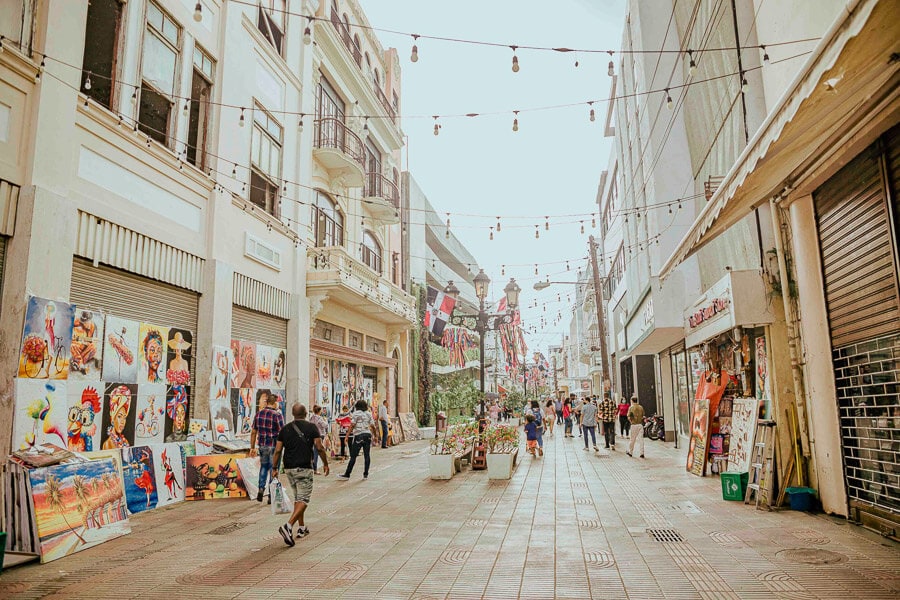
Let’s start with Santo Domingo, the capital of the Dominican Republic and a melting pot of the many different cultures, belief systems and nationalities connected to the country. While it’s very easy to find an ordinary local guide to tour the city’s top attraction – the UNESCO-Listed Colonial Zone with its ancient buildings, historic museums and colourful houses – there are specific tours that allow you to get a deeper insight into the culture.
If you’re interested in visiting the local neighbourhoods (which you otherwise shouldn’t visit on your own), you can book a specific tour guide for these areas.
If you want to learn more about the history of African slaves in the Dominican Republic, a unique Santo Domingo tour is available, accompanied by a very knowledgeable guide.
If you’d like to experience the local nightlife and see how and where the Dominicans celebrate their evenings and nights, you can head out on a personalised nightlife tour to connect with locals and see (and join) them dancing.
How to get there: Santo Domingo is perfect for one to two nights. The city has a major international airport, making it the perfect place to start your Dominican Republic holiday.
Cost: A city tour with a local guide usually costs around 35-50 USD.
2. Learn to dance in the Dominican Republic (and participate in Bonye)

Speaking of dancing: It’s worth taking a closer look at this activity which has a very central spot in each Dominican soul. Dominicans are passionate about dancing and they do so at every opportunity… On the street, in the bathroom, when visiting friends – (nearly) anywhere and any time.
If you want to understand this aspect of Dominican culture, it helps to learn how to dance yourself. Find a local instructor and try some simple steps in Bachata, Salsa and Merengue.
Once you’ve mastered a few moves, you’ll probably find that you can speak much better – dance is the most important Dominican language. Even if you don’t understand Spanish, you will have a mutual way of communicating with the locals once you learn how to dance.
To put your new skills into practice and to experience a further must-see in the Dominican Republic when it comes to local immersion, you have to visit Bonye, a free traditional band performance that takes place every Sunday evening in Santo Domingo’s Zona Colonial, next to the ruins of San Francisco.
What might have been a tourist trap in other cities is one of the biggest street parties for locals, who come here to happily dance Salsa, Bachata and Merengue all night against the backdrop of this historical setting.
Even if you don’t like dancing, this is one of the top things to do in Santo Domingo as the vibe is simply magical.
How to get there: You can easily find dance instructors all over the country. Bonye will take place every Sunday (after restrictions have ended) from 6pm-10pm in Santo Domingo’s Colonial Zone. More details here.
Cost: A dance lesson can be as cheap as 10 USD per hour. The Bonye event is completely free.
3. Follow the trail of the Dominican Republic’s number one export
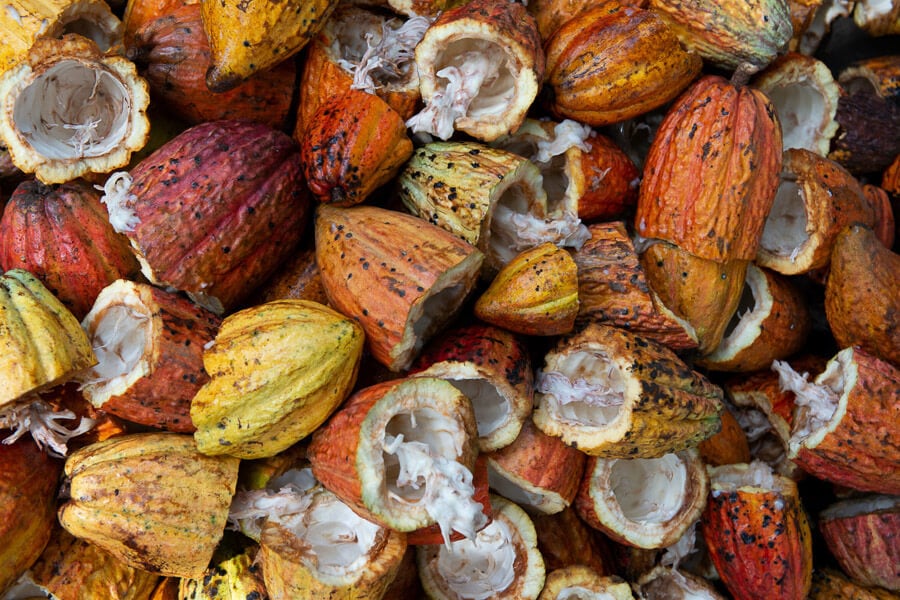
Did you know that the Dominican Republic is the number one nation worldwide in exporting organic cacao? That’s just one reason why you should discover more about this important, delicious and versatile commodity.
If your trip only leads you to Santo Domingo, you can visit the Chocolate Museum and participate in a chocolate workshop, where you create your own chocolate bar. However, even if you get to know the history, importance and moulding process, this won’t really give you first-hand insight into how an actual chocolate farm operates.
Therefore, it’s better to rent a car in Punta Cana or Santo Domingo and head to the interior of the Dominican Republic. Here, you can explore authentic cocoa plantations and observe the local chocolate manufacturing process from bean to bar. You can learn about the importance of the cocoa bean and meet Dominicans who have created their small family businesses around this highly coveted fruit.
Cocoa plantations you can visit in the Dominican Republic include El Sendero del Cacao (a little bit touristy though), close to San Francisco de Macorís, the female-run Chocal Chocolate Factory between Puerto Plata and Santiago (your best choice), and the chocolate tour in El Seibo in the east of the country.
If you want a guided tour, check the opening hours and availability of guides before you visit.
How to get there: To reach the cocoa plantations in the interior of the country it’s best to rent a car.
Cost: Prices vary greatly and depend on the farm you’re going to visit.
Guided option: 4-hour chocolate plantation tour.
4. Hike to spectacular waterfalls and stunning peaks

If you don’t have a car or you can’t make it to one of the chocolate farms for some other reason, you can see cocoa plantations on a hike in the Dominican Republic instead. But that’s not the main reason why hiking is a must-do.
You might be wondering why hiking is a cultural experience in the Dominican Republic? Well, hiking here is not like in Europe or North America. Even though there are a lot of beautiful and unique trails in the Dominican Republic, hardly any of them are marked, nor do you have signs to show you the destination or the length of the trip. That’s why it’s a good idea to hire a guide.
Luckily, especially in the last few years as ecotourism in the Dominican Republic has become more and more popular, a lot of local hiking associations have formed to help visitors enjoy their time in nature and seek out the spectacular spots the country has to offer, such as hidden waterfalls (for example Salto de la Jalda, Salto La Gritona and many more), turquoise rivers (Rio Partido, Rio Sonador, etc.) and majestic peaks (Pico Duarte, Yuboa, Loma Quita Espuela etc.).
By going on a hike with a local guide, you can not only support these small family run businesses (often they are more of an association than a business), you can also learn a lot about their lives through conversation. No doubt you will learn a lot about the local flora and fauna, too.
How to get there: For hiking in the interior of the Dominican Republic, especially with the local associations, a rental car is necessary as they usually don’t offer tours that include transportation.
Cost: Costs vary, but prices for a local guide are usually around 20 USD per person or around 40-50 USD per group.
Recommended hiking cooperatives to book with:
- Ecoturismo Lynx (for the Bonao area)
- Luna Herrera Travel (for the San Cristobal/Los Cacaos area)
- Jamao Ecotours (for the Cabarete area)
5. Choose culturally immersive accommodation

Why stop exploring the culture of the Dominican Republic when night falls?
Besides the many all-inclusive resorts in Punta Cana and boutique hotels all over the country, there are also many accommodations with strong local connections – and some that are completely run by Dominican families. Here you can learn everything about daily life and participate in local activities.
Some examples of culturally immersive accommodations include:
- Tubagua Eco-Lodge: This sustainable eco-lodge with spectacular views close to Puerto Plata has strong ties to the local village community, who run the entire accommodation, offer tours (including culture-focused tours to the nearby villages), and prepare meals the traditional Dominican way over the fireplace. More info and bookings here.
- Chocolate Jungle: This unique farm with rustic wooden accommodation close to Salcedo is very typical and authentic just like the family homes in the Dominican Republic were 30 years ago. Guests can take a guided tour through the cocoa plantation and adjoining farms, where you will see and learn a lot about local fruits you might never have seen before. More info here.
- Casa de las Anas: A true Dominican homestay in Monción, this is where you can join typical daily family life in an off-the-beaten-track mountain village – perfect conditions to learn Spanish and enjoy home-cooked Dominican food. More info here.
How to get there: It depends on which of the accommodations you choose, but all can be perfectly combined with a road-trip through the Dominican Republic.
Costs involved: Prices for a night in any of the accommodations mentioned above start from 25 USD per person.
6. Explore DOminican Republic culture at the busy market in Higuey

To be honest, most of these cultural experiences in the Dominican Republic are a little bit difficult to access if you plan on staying at an all-inclusive resort in Punta Cana. If you do choose a resort but you still want to experience some local immersion, your best bet is to book a tour to Higuey, the capital of the province La Altagracia (the same province where Punta Cana is located).
With its huge basilica (Basílica Catedral Nuestra Señora de la Altagracia) – the most important cathedral in the Dominican Republic – the city showcases bustling daily life in its busy market, perfectly representing the Dominican working class.
While strolling around the market, preferably with a guide, you’ll get an idea of the local produce as well as the prices of food and everyday items – which aren’t cheap in the Dominican Republic considering the minimum wage is just around 200 USD per month.
Furthermore, you can get a glimpse of Dominican life, which is so very different from what you see in Punta Cana. This will enable you to understand the challenges of Dominican culture much better.
How to get there: If staying in an all-inclusive resort in Punta Cana, it is best to book a guided tour to Higuey.
Cost: Higuey tours are normally priced between 40-50 USD per person.
Guided option: Half-day churches and city tour.
7. Hire a car and support local projects and communities along the road

If all of these ideas to explore the country in a sustainable and immersive way sound interesting for you, why not plan an entire road trip through the Dominican Republic? This is an absolutely underrated country when it comes to self-drive tours, as most people just stay within their resorts and don’t realise what they are missing.
Cute fishing villages, pristine beaches, tropical jungles, adventurous outdoor tours and the already mentioned spectacular hikes, soaring mountains and beautiful waterfalls – these are just a few of the things you can explore on a Dominican Republic road trip.
Furthermore, you’ll have a chance to get to know the different local cooperatives and sustainable projects along the road, as small ventures are popping up in many regions to make the Dominican Republic a better and more eco-friendly country all the time. Supporting them means supporting this developing country, its citizens, and sustainable tourism in the Caribbean.
Some examples of projects to check out include:
- Cooperativa para el Desarrollo de La Ciénaga (close to Barahona): An association creating hand-made products from local resources, such as fruit jams and jewellery.
- Ruta Panoramica 25 (between Santiago and Puerto Plata): A panoramic road promoted by an association of local vendors and family businesses, such as fruit stalls, handicraft shops and eco-lodges.
- The roadside vendors in Samaná: Families selling products right from the region, such as coconut oil (they have millions of coconut palm trees), 100% chocolate (from the cocoa plantations) and local goat’s cheese.
With your own car, you can visit all the local businesses already mentioned in this article, such as the local tours in Santo Domingo, the hiking associations or the chocolate factory.
How to get there: When driving in the Dominican Republic, just look for signs indicating local sights or regional associations. Or simply ask the locals if you are interested in something specific.
You might also be interested in
- Things to do Mauritius beyond the beach
- Cultural traveller’s guide to the Maldives
- Best cultural experiences in Bali
- Culture guide to the Yucatan Peninsula
- Things to do in Mexico for local culture
- The best Fijian cultural experiences
More cultural travel inspiration
- World’s best destinations for cultural travellers
- 30+ amazing cultural experiences around the world
- Best cultural festivals around the world
- Best destinations for tea culture
- Best destinations for wine culture
- Unique food cultures around the globe
- My collection of cultural travel guides for 30+ cities and regions
- World’s best unique & underrated travel destinations